Every HVAC owner knows the pattern. July and January are chaos, and then spring and fall go quiet. Your techs still need hours, and your trucks and payroll still cost money.
The good news: the slow season is the best time to plant work you can harvest later, and to win jobs that busy competitors ignore. Here are 12 practical ideas.
1. Run a tune-up campaign before the weather turns
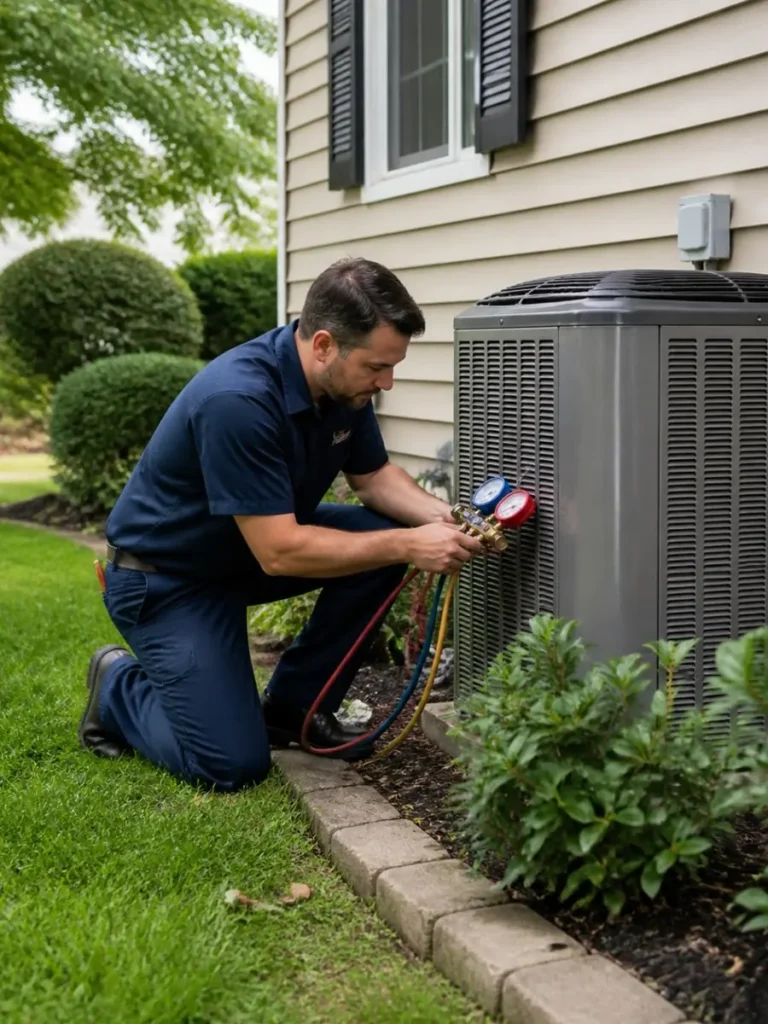
Homeowners rarely think about their furnace in September or their AC in April. Remind them. A short text or email offering a pre-season tune-up, with a few open time slots, turns a quiet week into booked visits. Each tune-up is also a chance to spot repair or replacement work.
2. Sell maintenance plans when you have time to explain them
Maintenance plans smooth out your revenue, and members tend to call you first when something breaks. In the slow season your techs have time to explain the plan properly at the end of each visit. Give them a short script and a one-page leave-behind.
3. Text your past customers
Your customer list is the cheapest source of work you have. A friendly, personal message works better than a generic blast:
Hi Sarah, it is Mike from Johnson Heating & Air. Furnace season is coming. Want us to book your tune-up before the first cold night?
Only text customers who agreed to hear from you, and always include a way to opt out.
4. Follow up on old estimates
Look back at replacement quotes from the last 12 months that never closed. Some of those homeowners delayed because of timing or budget. A check-in, ideally with financing options, can revive a surprising number of them.
5. Promote indoor air quality work
Air purifiers, humidifiers, filtration upgrades and duct cleaning are not tied to extreme temperatures. Shoulder seasons are a natural time to promote them, especially to households with allergies, pets or young children.
6. Push heat pump and replacement consultations
Replacement decisions take time. Homeowners researching a new system in a quiet month are not in emergency mode, so they read, compare and plan. Make sure your website has a clear page about replacement and heat pumps, and offer a no-pressure in-home estimate.
7. Update your Google Business Profile
Use the downtime to post photos of recent installs, update your services and hours, and answer common questions. A fresher profile helps you show up for the searches that do come in. Our Google Business Profile checklist covers the nine fixes that matter most.
8. Ask every customer for a review
Slower weeks mean techs have a few extra minutes at the end of each job. Make the review ask part of every visit, then send the link by text the same day. More recent reviews help you win the rush when it comes. Here is a simple review system.
9. Shift your ad budget, do not just switch it off
Turning ads off completely in quiet months can mean losing the few high-value searches that still happen, like “heat pump installation” or “AC replacement cost.” Instead, move budget away from emergency repair terms and toward replacement, maintenance and indoor air quality. We explain how Google Ads and Local Services Ads compare here.
10. Build pages for the work you want more of
The slow season is a good time to improve your website. Add or improve pages for heat pumps, ductless mini-splits, maintenance plans and the towns you serve. Each page is a new way to show up in Google. Our HVAC marketing page shows the pages we build for HVAC companies.
11. Partner with local businesses
Real estate agents, home inspectors and property managers all need reliable HVAC help. A short introduction and a fast response the first time they call can turn into steady referrals.
12. Fix your follow-up before the rush
When the first heat wave hits, missed calls cost you jobs. Use the quiet weeks to set up missed-call text-back and instant replies to web forms, or an AI receptionist for after-hours and overflow calls. Then you are ready when the phone starts ringing again.
Where to start
If you only do three things this month, do these:
- Text past customers about tune-ups.
- Follow up on open replacement estimates.
- Make sure every missed call gets a reply.
Quick answers
When is the HVAC slow season?
For most of the US, the shoulder seasons are spring and fall, between the peak cooling and heating months. Exact timing depends on your local climate.
Should HVAC companies stop advertising in the slow season?
Usually not entirely. Shift budget toward replacement, maintenance and indoor air quality searches rather than turning ads off.
Want help filling the calendar?
We build marketing systems for HVAC companies, from Google Maps and ads to automatic follow-up. Get a free growth audit and we will show you the quickest wins for your business before the next rush.
This article is general information for home service business owners, not legal or financial advice. Platform rules change, so check Google's and your local requirements before making changes.